
How many cities should I visit on my first trip?
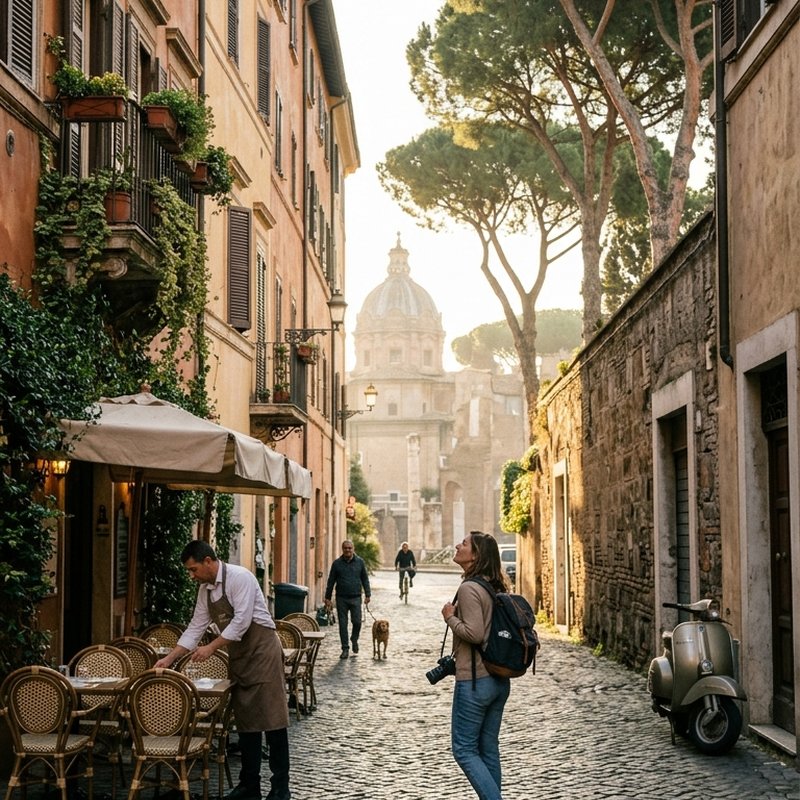
Pick 2 to 3 hubs max. Give yourself at least 3 nights in each spot. Italy rewards slow travel, and trying to do 6 cities in 10 days means you spend more time packing and transferring than actually being anywhere. I recommend choosing one region and exploring it deeply rather than rushing through multiple regions. This gives you a better sense of the culture, food, and pace of life.
What are the best first-trip itineraries?
It depends on your interests. For classic culture, Rome plus Florence plus Tuscany works well. For coastal relaxation, the Amalfi Coast plus Capri plus a night in Naples is perfect. For food lovers, Bologna plus Parma plus Modena plus a countryside stay is ideal. For romance, Venice plus the Dolomites or Lake Garda is stunning. I always recommend mixing one major city with one smaller town or rural area, so you get both energy and relaxation.
Should I visit Venice on my first trip?
Venice is magical, but it is also crowded and expensive. I recommend visiting with the right strategy, such as staying in a less touristy neighborhood, visiting early in the morning or late in the evening, and avoiding peak season. I also suggest spending at least two nights, so you have time to explore beyond the main tourist areas. If you are short on time, you can skip Venice and focus on other destinations that offer more value for your time.
Is Milan worth visiting?
Unless you are fashion-obsessed or have a specific reason to visit, skip Milan for your first trip. Milan is a business city with limited tourist attractions compared to other Italian destinations. You will get more out of your time by visiting Florence, Bologna, or Verona instead. If you do visit, limit it to a day trip and focus on the Duomo and Leonardo's Last Supper, but book tickets well in advance.
What about Cinque Terre?
Cinque Terre is gorgeous, but it is often packed with tourists, especially in summer. There are quieter coastal gems like Portovenere, Camogli, or the Amalfi Coast that offer similar beauty with fewer crowds. If you do visit Cinque Terre, go in the shoulder season, stay overnight rather than doing a day trip, and hike between the villages rather than taking the train. This gives you a more authentic and less crowded experience.
How do I get around Italy?
Trains are the best way to travel between cities. They are fast, reliable, and affordable, especially if you book in advance. For rural areas like Tuscany or Umbria, a rental car gives you more flexibility. I recommend combining both, using trains for major cities and a car for countryside exploration. I also recommend downloading offline maps and translation apps, as not everyone speaks English in smaller towns.
What should I pack for Italy?
Pack comfortable walking shoes, as you will be walking a lot on cobblestone streets. Bring layers, as weather can vary between regions and seasons. A scarf or shawl is useful for covering shoulders when visiting churches. I also recommend a crossbody bag for security, a portable charger for your phone, and a reusable water bottle, as there are public fountains with drinkable water in most cities.
How far in advance should I book?
I recommend booking flights and hotels at least three months in advance for peak season and two months for shoulder season. Popular attractions like the Colosseum, Vatican Museums, and Uffizi Gallery require advance booking, often weeks or months ahead. I also recommend making restaurant reservations for popular eateries, especially in cities like Florence and Rome. The earlier you book, the better the rates and availability.
What is the one question everyone should ask before booking?
Ask how much time you realistically need in each destination. Many first-time visitors underestimate how much there is to see and do in Italy. Rushing through cities leads to exhaustion and disappointment. I always recommend slowing down and focusing on quality over quantity. It is better to fully experience two cities than to rush through five and remember none of them.